
DIY REPAIR GUIDE — HONDA, TOYOTA, HYUNDAI, KIA, FORD, GM, NISSAN, MAZDA AND MOST CARS AND
ABS Light On Wheel Speed Sensor Replacement
Each wheel has a speed sensor that tells the ABS and stability control how fast it is turning.
321 Rexdale Blvd #4, Etobicoke, ON M9W 1R8
Mon–Fri 8am–5pm · (416) 742-4521
⚡ Servicing your car at an independent shop does not void your vehicle warranty — protected under Canadian consumer protection law.
By the Radman Auto Repair team, independent auto repair in Etobicoke since 1999 · Updated November 2026
Each wheel has a speed sensor that tells the ABS and stability control how fast it is turning. Road salt, rust and wheel bearing wear damage these sensors and their wires, so the ABS, traction and sometimes stability lights come on. It is one of the most common warning-light repairs on Canadian cars.
Quick answer: When the ABS light is on, scan the ABS module to find which wheel’s sensor is at fault, then check its wire and connector, compare live wheel speeds, and replace the sensor if it reads zero or erratic. Clean rust from the mounting hole so the new sensor sits flush, and clear the codes.
At a glance
- Vehicles: Honda, Toyota, Hyundai, Kia, Ford, GM, Nissan, Mazda and most cars and SUVs
- DIY difficulty: Easy–moderate
- Time: about 1 hours
- Tools: scan tool that reads ABS codes and live wheel speeds, multimeter, jack and jack stands, sockets, wire brush or small file, penetrating oil
- Parts: wheel speed sensor for the correct corner, light high-temperature grease or anti-seize (sparingly)
- Codes & warning lights: C0035–C0050 (GM), C1095 and C-codes by maker, ABS, traction and VSC/VSA/ESC lights
- Recalls: check your VIN first; some of these problems are covered by recalls, campaigns or extended warranties
Symptoms
ABS light the ABS warning light stays on.
Traction light traction or stability lights come on too.
Brakes pulse early the ABS pulses at low speed on dry roads.
Speedometer on some cars the speedometer jumps or stops.
Comes and goes it appears over bumps or after rain.
After brake work it appears after a brake or bearing job.
What Causes It
Damaged sensor the sensor fails or its tip is chipped.
Broken wire the wire is cut, chafed or pulled by suspension movement.
Rust jacking rust builds under the sensor and pushes it out or cracks it.
Tone ring a cracked, rusted or dirty tone ring or magnetic bearing seal.
Wheel bearing a loose bearing changes the air gap.
Before You Start
- Park on level ground, set the parking brake and chock the wheels. Never work under a car held up only by a jack: use rated jack stands.
- Let the engine and exhaust cool before you touch them; coolant systems are under pressure when hot.
- Wear safety glasses and gloves, and disconnect the 12V battery before unplugging electrical parts or working near airbags.
- Check for open recalls on your VIN (Transport Canada or the manufacturer’s site) before you buy parts: a recall repair is free at the dealer.
- The brakes still work normally without ABS, but the wheels can lock in a hard stop; drive gently.
Step-by-Step: ABS Wheel Speed Sensor
- Scan the ABS module. Read the ABS codes to find which corner is at fault.
- Compare wheel speeds. In live data, drive slowly and compare all four wheel speeds. The faulty one reads zero or jumps.
- Inspect the wire. Trace the sensor wire from the wheel to its connector, looking for cuts, chafing and corrosion.
- Test the sensor. Older passive sensors can be checked with a multimeter for resistance; newer active sensors are best checked in live data.
- Remove the sensor. Remove the bolt, soak with penetrating oil and twist the sensor out gently.
- Clean the mount. Clean rust from the mounting hole so the new sensor sits fully flush.
- Install the new sensor. Fit the sensor, tighten its bolt and route and clip the wire the same way as the original.
- Clear and test. Clear the codes and drive. The ABS light should stay off and wheel speeds should match.
When to Stop and Bring It In
- The code points to the ABS module or pump.
- The sensor is built into the wheel bearing hub: see wheel bearing diagnosis.
- The sensor is seized in the knuckle and won’t come out.
- The brake warning light is on too, or the pedal feels wrong.
Not sure, or out of time? Radman Auto Repair in Etobicoke does this repair every week. Book online or call (416) 742-4521.
Also Known As
Owners search for “ABS light on”, “ABS and traction control light on”, “wheel speed sensor replacement”, “ABS sensor”, “VSA light Honda” or “VSC light Toyota”. The part is the wheel speed sensor, also called the ABS sensor.
Frequently Asked Questions
What does the ABS light mean?
The ABS system has a fault and is switched off. The brakes still work, but without anti-lock.
Is it safe to drive with the ABS light on?
The car brakes normally, but the wheels can lock in an emergency stop. Get it fixed soon, especially before winter.
How do I know which sensor is bad?
An ABS scan tool shows the code and the live speed of each wheel. The faulty one reads zero or erratic.
Can rust cause an ABS light?
Yes. Rust builds up under the sensor and pushes it away from the tone ring, or cracks it.
Is the sensor part of the wheel bearing?
On many newer cars the sensor bolts into the hub; on some it is built in, so the hub must be replaced.
Will the light go off by itself?
Usually not. After the repair the codes need clearing, though some cars clear the light after a short drive.
See also Brakes & ABS Light, Dashboard Warning Lights Guide, Wheel Bearing Diagnosis, Brake Pads & Rotors.
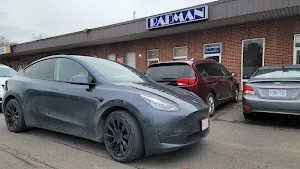





Prefer to Have It Done? Radman Auto Repair, Etobicoke
Independent auto repair in Etobicoke since 1999. We fix what this guide covers, explain what we find, and keep the old parts for you to see.
This Service Includes
✓ ABS scan and live data
✓ Sensor and wiring test
✓ Wheel speed sensor replacement
✓ Road test