TESLA MODEL Y — Toronto, Etobicoke & GTA
Model Y Wheel Bearing Repair
A humming or growling noise that changes with speed — often heard earlier on a Tesla than a gas car, since there's no engine noise to mask it.
321 Rexdale Blvd #4, Etobicoke
Mon–Fri 8am–5pm · (416) 742-4521
Because Teslas run so quietly at low speed compared to a gas engine, wheel bearing noise on a Model Y is often noticed earlier — and more clearly — than it would be in a comparable gas vehicle. Model Y shares much of its wheel-end hardware with the Model 3, and both are a commonly discussed wear point among independent Tesla technicians for front wheel bearing noise developing earlier than expected.
A failing wheel bearing produces a humming or growling noise that changes with vehicle speed — not with braking or turning specifically, which helps distinguish it from a brake or CV joint issue. We road test and confirm the source before replacing a bearing.
Signs of a Worn Model Y Wheel Bearing
Humming or Growling That Changes With Speed
A hum or growl that gets louder as you accelerate and quieter as you slow down — independent of braking or turning — is the classic wheel bearing signature.
Noise That Shifts When Turning
A bearing noise that gets noticeably louder or quieter during a gentle turn — as weight shifts off or onto the affected wheel — helps confirm which side the bearing is on.
Vibration Through the Steering Wheel or Floor
A worn bearing can produce a vibration in addition to noise, particularly as wear progresses — though vibration alone can also point to a tire or brake issue, which is why a proper road test matters.
Clunking on Rough Roads
In more advanced cases, a loose or severely worn bearing can produce a clunk over uneven pavement, in addition to the ongoing hum.
Why Tesla Wheel Bearing Noise Gets Noticed Early
Without engine noise to mask it, a developing wheel bearing hum is often audible on a Tesla well before it would be noticed in a comparable gas vehicle — which means Model Y and Model 3 owners frequently bring the car in for a noise that a gas-vehicle owner might not register for months. That's a genuine advantage for catching the problem early, before it progresses to a vibration or a safety-relevant level of play in the wheel.
Important: because regenerative braking means bearing noise on a Tesla may not change noticeably when you touch the brake pedal, don't rule out a bearing just because the noise doesn't respond to braking the way it might on a gas vehicle.
Confirming the Source Before Replacement
Tire noise, a failing CV joint, and a worn wheel bearing can all produce a speed-related noise that sounds similar to an untrained ear. We road test the vehicle, isolate which wheel the noise is coming from, and confirm with a physical inspection before recommending a bearing replacement — rather than replacing a bearing on a guess.
Frequently Asked Questions
What does a bad wheel bearing sound like on a Model Y?
A humming or growling noise that gets louder as the vehicle speeds up and quieter as it slows down, often changing slightly during gentle turns. In more advanced cases it can include a clunk over rough roads.
Why do Tesla wheel bearings seem to get noticed earlier than on gas cars?
Without engine noise to mask it, a developing bearing hum is often audible on a Tesla well before it would be noticed in a comparable gas vehicle, so Model Y and Model 3 owners frequently catch it earlier.
Does braking change wheel bearing noise on a Tesla?
Not necessarily. Regenerative braking means bearing noise may not respond to the brake pedal the way it typically would on a gas vehicle, so the absence of a change with braking doesn't rule out a bearing issue.
How do you confirm it's actually the wheel bearing and not something else?
We road test the vehicle to isolate which wheel the noise is coming from, then physically inspect that wheel's bearing, since tire noise and a failing CV joint can produce a similar speed-related sound.
Is wheel bearing wear common on the Model Y?
The Model Y shares much of its wheel-end hardware with the Model 3, and both are a commonly discussed wear point among independent Tesla technicians for front wheel bearing noise developing earlier than some owners expect.
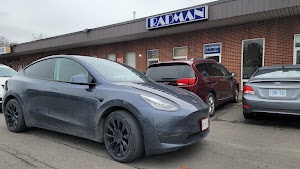





Etobicoke's Independent Tesla Wheel Bearing Specialists Since 1999
Radman Auto Repair diagnoses Model Y wheel bearing noise in Etobicoke by road testing first — confirming the source before replacing a part, and without voiding your Tesla warranty.
Why Choose Radman
✓ Road test to isolate the exact wheel first
✓ Familiar with Model Y/3 shared wheel-end hardware
✓ Diagnosis before parts, every time
✓ Loaner vehicles available