TESLA ALIGNMENT & TIRE WEAR — Toronto, Etobicoke & GTA
Tesla Tire Wear on the Inner Edge?
If the inside of your tire is disappearing faster than the rest of the tread, it's usually camber, toe, or a worn suspension component — not a defective tire.
321 Rexdale Blvd #4, Etobicoke
Mon–Fri 8am–5pm · (416) 742-4521
Some inner-edge wear is normal on a Tesla — Tesla sets factory camber slightly negative (the top of the wheel tilts in) to help handling and cornering, which naturally puts a bit more load on the inside of the tire. The problem is when that wear is significantly uneven — the inner edge showing cords or belts while the rest of the tread still looks fine. That's not a defective tire; it's a sign the alignment, a suspension component, or your driving and rotation habits have pushed things past what's normal.
Why Teslas Wear the Inner Edge Faster Than Gas Cars
Factory Negative Camber
Tesla's suspension geometry runs negative camber for handling and cornering grip. This is by design, but it concentrates more contact patch on the inner edge than a neutral setup would.
Heavier Curb Weight
The battery pack adds significant weight versus a comparable gas vehicle, which increases load on the tires and suspension components at the same camber angle — accelerating whatever wear pattern is already present.
Instant Torque
Immediate torque from a stop puts more stress through the tire's contact patch than gradual gas-engine acceleration, which can accelerate wear anywhere alignment is already marginal.
Toe Misalignment
Toe that's out of spec — wheels pointing slightly inward or outward rather than straight — causes a scrubbing wear pattern that's often mistaken for a camber problem but is corrected differently.
Signs Worth Getting Checked
Important: the inside edge is the hardest part of the tire to see during a normal walkaround, especially on rear tires. Wear there is often discovered much further along than a driver expects — worth a specific check rather than assuming a visual glance from the outside caught it.
When It's More Than Just Alignment
Camber and toe being out of spec is the most common cause, but worn suspension bushings, a failing ball joint, or a loose control arm can also shift the wheel's geometry and produce the same inner-edge wear pattern — and in that case, an alignment alone won't hold, because the worn part keeps letting the geometry drift back out. If your Model 3 or Model Y has a front-end clunk or squeak alongside the tire wear, that's worth mentioning when you book — see Model 3 ball joint repair or Model Y ball joint repair. On Model S and Model X, air suspension ride-height settings can also shift camber if set too low — worth checking alongside the alignment itself.
What We Check
Frequently Asked Questions
Why do Tesla tires wear on the inner edge?
Most commonly, factory negative camber combined with Tesla's heavier curb weight from the battery pack. Toe misalignment, missed rotations, and worn suspension bushings or control arms can all contribute or make it worse.
Is some inner-edge wear on a Tesla normal?
A small amount of extra inner-edge wear compared to the outer edge is common on vehicles with factory negative camber, including Teslas. Wear that's significantly uneven — or that shows cords or belts on the inner edge while the rest of the tire still has tread — is not normal and should be inspected.
Will an alignment fix inner tire wear?
An alignment corrects toe and can adjust camber where the vehicle allows it, which can slow future wear. It cannot restore tread that's already gone, and if the wear is from a worn suspension component rather than a setting out of spec, that component needs to be addressed first or the alignment won't hold.
Does tire rotation prevent inner-edge wear?
Rotation helps distribute wear more evenly across all four tires but doesn't correct the underlying camber or toe condition causing inner-edge wear in the first place. It's a good habit alongside alignment checks, not a substitute for one.
Which Tesla models are most affected by inner tire wear?
Model S and Model X are frequently discussed for rear inner-edge wear tied to factory camber and, on air suspension models, ride height settings. Model 3 and Model Y owners commonly report it as well, particularly on Performance trims with more aggressive camber.
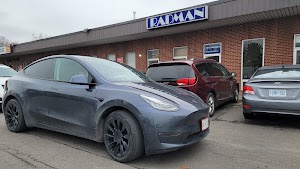





Etobicoke's Tesla Alignment Specialists Since 1999
Radman Auto Repair measures camber and toe against your Tesla's actual specification, and checks suspension components for play before recommending an alignment alone — since a worn part will just pull it back out of spec.
Why Choose Radman
✓ Camber & toe measured against factory spec
✓ Suspension components checked, not just settings
✓ Tread measured at three points per tire
✓ Loaner vehicles available